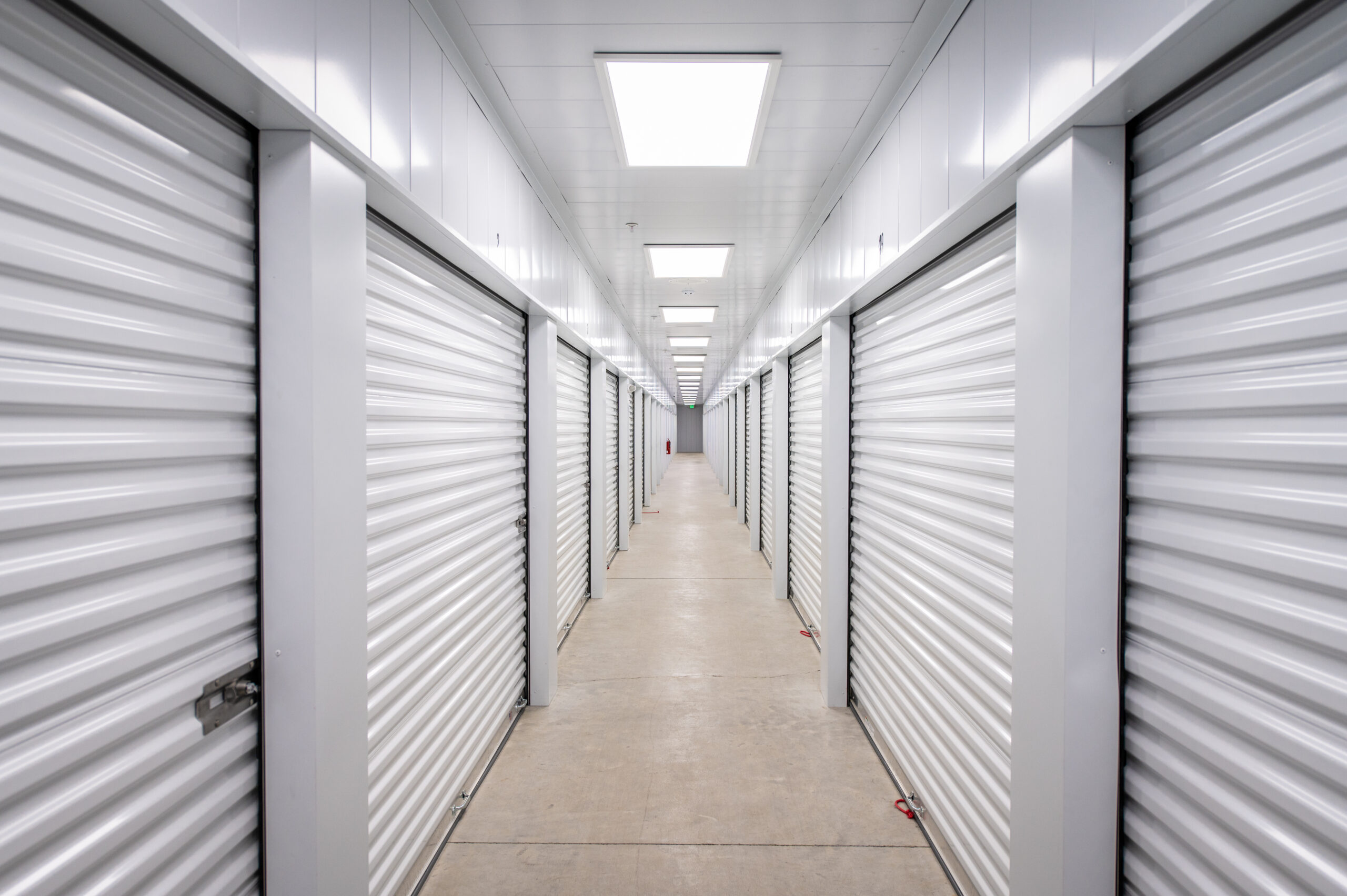
If you’ve ever found yourself staring at a storage unit menu wondering, “Do I really need climate control, or is that just upselling?” you’re not alone. In this episode of Modern Storage® Unpacked, host Hannah is joined by Dalton, a seasoned Facility Manager, to unpack the true differences between climate-controlled and non-climate-controlled storage—with plenty of real-life examples (and a few wild storage stories!).
Here’s your complete guide to deciding which option is best for your belongings.
What Is Climate-Controlled Storage?
Climate-controlled storage keeps temperature and humidity levels stable year-round typically between 55°F and 80°F and includes ventilation systems to prevent moisture, mold, and heat damage.
Best For:
- Wood and leather furniture
- Electronics and audio equipment
- Artwork, documents, and photos
- Musical instruments
- Wine, comic books, trading cards
- Sentimental or irreplaceable items
Why it matters: Items like antique furniture, vinyl records, or your grandmother’s china can crack, warp, or grow mold if exposed to extreme temperatures or humidity.
What Is Non-Climate-Controlled Storage?
Non-climate units (a.k.a. standard or drive-up units) don’t regulate temperature or humidity but they’re cost-effective and convenient for durable items.
Best For:
- Yard tools and patio furniture
- Cars, motorcycles, and RVs
- Plastic storage bins and totes
- Camping gear and sports equipment
- Holiday decorations (especially when packed properly)
Why it works: If something is made to withstand the elements outdoors, it’s probably safe in a non-climate unit.
Real-Life Storage Surprises
Dalton shared some of the most unexpected (and entertaining) items he’s seen in storage units:
- 🎃 **A life-size Michael Myers mannequin** in a climate-controlled hallway (terrifying!)
- 🕹 **Vintage arcade machines** being protected like museum pieces
- 🧝♂️ **An army of garden gnomes** stored in formation in a non-climate unit
- 🛶 **His personal kayak** (because spiders are NOT invited)
The takeaway? People store all kinds of stuff—and some of it needs special protection.
When to Choose Climate-Controlled Storage
If your answer to “Would I be devastated if this item was damaged?” is yes, climate control is the safe bet. It’s especially important for:
- Long-term storage
- Items sensitive to temperature swings or moisture
- Locations with extreme seasonal weather
Dalton’s top tip: “If it’s worth protecting, it’s worth the climate control.”
When to Use Non-Climate-Controlled Storage
Not everything needs extra TLC. If you’re storing sturdy, outdoor-friendly, or seasonal items, non-climate might be perfect. Just make sure:
- Everything is stored off the floor if rain or flooding is a concern
- You use **plastic bins instead of cardboard** to guard against moisture
- The facility offers **ventilation and good drainage**
Bonus Tip: Store items vertically to maximize space!
Common Mistakes to Avoid
Dalton sees it all and here are the most frequent mishaps:
❌ Storing leather or wood furniture in a non-climate unit (hello mold and cracks) ❌ Leaving electronics or TVs in hot, humid spaces (they overheat fast!) ❌ Using cardboard boxes in non-climate storage (they collapse and attract pests) ❌ Forgetting about humidity’s effect on clothing, books, or paper
Questions to Help You Decide
Ask yourself:
- How long will I store these items?
- Are they sensitive to heat, cold, or moisture?
- How valuable or sentimental are they?
- Is my local climate extreme or unpredictable?
If you’re still unsure, the safest bet is always climate-controlled—especially if your items are expensive, delicate, or irreplaceable.
What to Look For in a Storage Facility
Before signing a lease, tour the facility (if possible) and ask:
- Do they maintain a consistent temperature and humidity range?
- Is the **HVAC system regularly serviced**?
- Are the units clean, well-sealed, and ventilated?
- Is the property well-lit and secured with cameras and gated access?
- What’s their **pest control schedule**?
Whether it’s climate or non-climate, the quality of the facility makes a big difference.
Final Takeaway: Choose What Protects Your Stuff
Climate-controlled storage offers a layer of protection that’s often worth the investment especially for anything valuable or vulnerable. But if you’re storing gear, tools, or seasonal décor, non-climate-controlled units can save money and still do the job.
As Dalton put it: “You’re already paying to store it why risk it getting ruined?”
Ready to Store Smarter?
Visit your nearest Modern Storage® location or book a unit online today. Our team is always here to help you pick the perfect space climate-controlled or not.
Stay Connected
🎙 Listen to this podcast episode Apple Podcasts | Spotify
📺 Watch it on YouTube Modern Storage® Unpacked on YouTube
📱 Follow us for more storage tips and behind-the-scenes Instagram TikTok Facebook
Until next time, stay organized and keep making space for what matters.